

The Right of Public Access – a fantastic customary right!
Those of us who live in Sweden can easily become blind to our surroundings and stop noticing the incredible luxury we have around us. However, if we open our eyes, we can see the forests, the mountains, the water, and the sky. Whether we live in a big city or in the countryside, nature is never far away. Moreover, in Sweden, everyone has the right to spend time in nature. At the same time, it is important to learn how to do so while showing consideration and respect. Here,you can find guidance on how to enjoy nature responsibly.
Do not disturb – Do not destroy
Spending time in nature offers great freedom, but it also comes with great responsibility. The main principle of the Swedish right of public access is that you must not disturb or damage plants, animals, or other people. This applies even to the smallest things. Remember that you are not the only one in the forests and countryside. If you keep this rule in mind while moving through nature, your visit should not become a problem.
You may camp in nature for a night or two without asking the landowner for permission. You may travel on foot, cycle, ride horses, ski, and temporarily stay in nature as long as you do not risk damaging crops, forest plantations, or other sensitive land. Note that this does not apply to motor vehicles; as soon as a motor is involved, the Off-Road Driving Act applies. You must respect people’s privacy and may not pass through or stay on private residential property. “Private property” — which is not always fenced — refers to the area closest to a dwelling. The residents have the right to their privacy there. If the house is clearly visible, you must keep a good distance so that you do not disturb them. Your presence in nature must also not prevent the landowner from carrying out their work.
For you as a guest of Vildmark i Värmland, we have compiled the most important rules:
What should I keep in mind during my trip into nature?
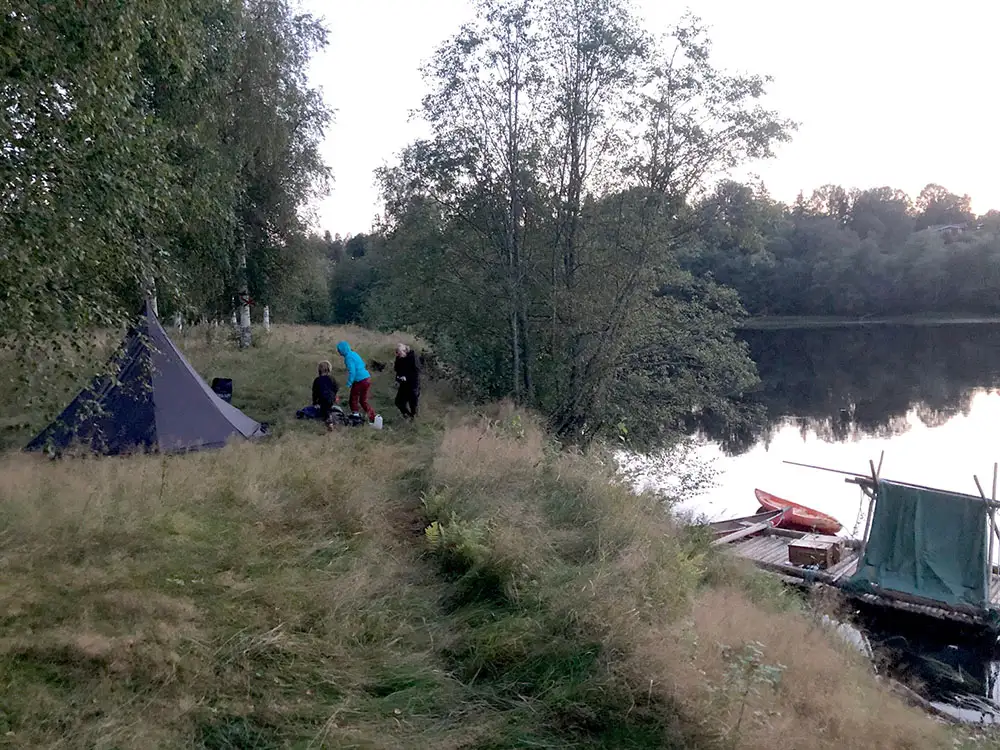
Campsites
- Set up camp for the night in a suitable location where you do not disturb other people or animals.
- Do not light a fire if there is a fire ban; if allowed, choose a spot near water with gravel or sandy ground, but never directly on a rock surface, large boulders, or a swimming beach.
- Do not bring amplifiers, sound systems, or similar equipment.
- Never harass or harm domestic or wild animals.
- Do not cut down trees or break branches, twigs, bark, or take bark from living trees.
- Do not pick protected plants.
- Never leave trash in nature.
- Keep your dog on a leash; this is especially important in areas with wildlife.
In and around water
- Do not go ashore on private property or where access is specifically prohibited, for example, to protect birdlife.
- Moor your canoe only temporarily at a pier, and only if it is not on private property.
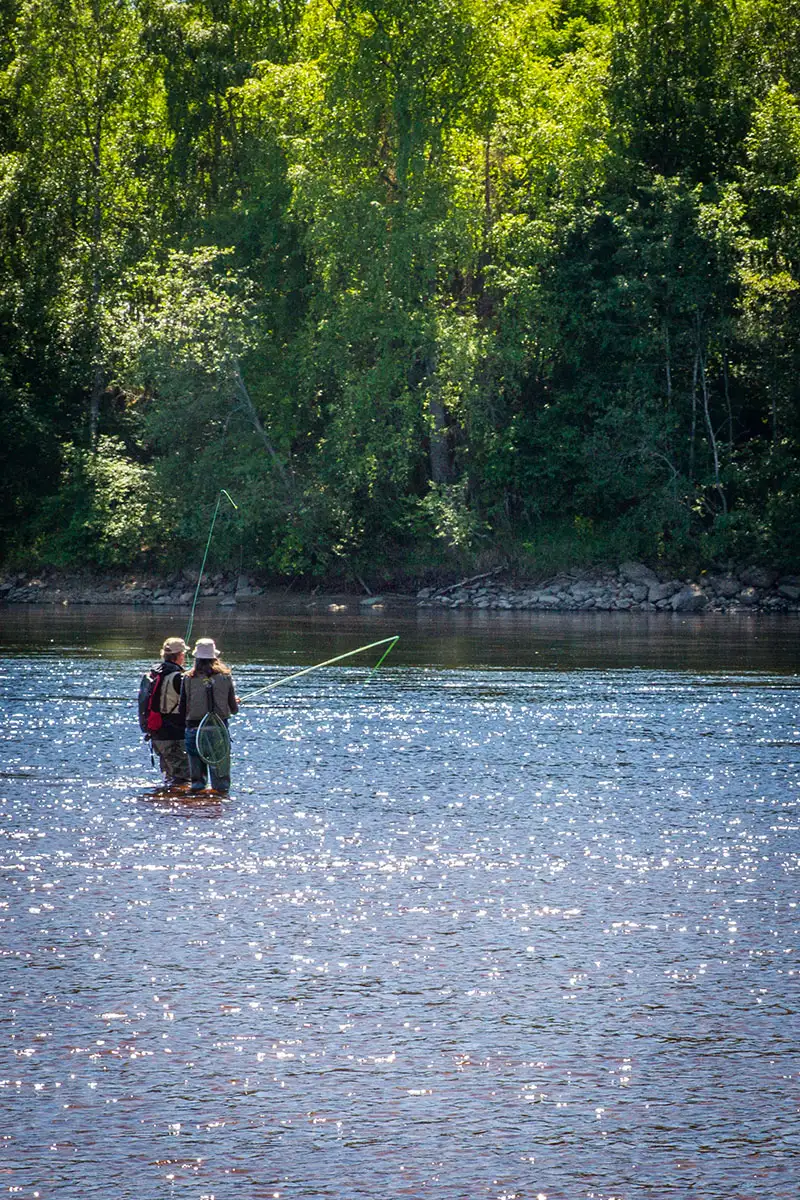
- Whenever you plan to fish, first buy a fishing permit, and also check the local rules that apply in that area.
- Never leave fishing lines or hooks in nature, as they can become deadly traps for animals.
- Leave animal nests and young undisturbed; never take bird eggs (this counts as hunting). All wild animals and birds are protected.
- Remember that water is especially sensitive to pollutants. Always use biodegradable dish soap and soap. To take advantage of the land’s filtering capacity, it is best to wash a good distance from the water’s edge.
Still unsure?
The Swedish Environmental Protection Agency provides detailed information about the Right of Public Access and also lists answers to the most common questions. Check it out here: The Right of Public Access
Share


